There is a special kind of happiness in listening to a knock on the door and discovering a fresh bag of beans waiting on the floor covering. Coffee beans delivered to your front door feel like a small success versus disorder. You did it. You kept in mind to reorder before you ran out. Now comes the component that separates the informal sipper from the quietly consumed: how you save those beans once they arrive.

Coffee storage is one-third physics, one-third common sense, and one-third the capability to overlook the seductive but misleading guidance on product packaging. You can extract café-level taste out of a humble pour-over in your home if your beans are saved well. You can also ruin a gorgeous microlot with a week of careless habits. Allow's make the most of those deliveries.
Freshness isn't a number you publish on a bag
Open most coffee bags and you'll see 2 days. One is a best by day, which informs you nothing helpful. The various other, the roast day, is the vital one. Entire beans typically strike their stride after they have actually rested a little bit post roast. For the majority of tool roasts, that wonderful area is around day 3 to day 14 after toasting. Light roasts usually require a few even more days to degas and cool down, anywhere from day 5 to day 21. Dark roasts have a tendency to come to a head a little earlier.
The objective is not to drink all your coffee on day 7. The objective is to handle what you buy and how you save it so the majority of your mugs land inside that window of peak taste. If you get coffee beans delivered on a normal cadence, match the distribution frequency and bag size to how rapidly you actually drink them. I seek advice from for a little roaster, and the largest leap in client contentment came when we aided people change from one 2.2-pound bag a month to two 12-ounce bags every 2 weeks. The coffee really did not change. The timing did.
Oxygen, light, warm, and time: the four culprits
Roasted beans are like bread. They are terrific, complex, and always trying to stagnate. The bad guys are oxygen, light, heat, and time. Dampness belongs in the conversation, however normally as a partner, not the arc nemesis.
Oxygen is the fast-acting flavor thief. It responds with the oils and aromatics that make coffee taste to life. If your storage plan doesn't limit air direct exposure, the rest of your initiatives are a garnish. Light does its own quiet damage by accelerating oxidation and degrading volatiles. Warm quicken every undesirable reaction, which is why a jar next to the oven transforms fantastic beans into numb beans. Time is relentless. Even in excellent problems, coffee sheds several of its glimmer as the days pass. Your job is to slow the decrease sufficient that every cup you make preferences like a decision, not a compromise.
What the bag is attempting to tell you
Most retail bags have a one-way shutoff and a zip seal. The valve lets CO2 retreat after roasting while limiting air entering, and the zip aids when you open the bag. The bag is not a vacuum chamber, but a suitable one can bring beans via their very first week without drama. If you're mosting likely to drink the bag within 2 weeks, and you reseal it carefully and maintain it shady, you're doing fine.
https://cruzthti674.wordpress.com/2025/11/07/coffee-beans-delivered-australia-present-ideas-for-coffee-lovers/If you purchase from a roaster that provides Coffee Beans Delivery with compostable paper-style bags, recognize that "compostable" often suggests a weak oxygen obstacle. That's the compromise. I like the sustainability push, yet if you're extending a bag over 3 or 4 weeks, decant into a container with a tried and tested oxygen barrier. You can still reuse the love of the packaging in your mind while you save the beans somewhere much more practical.
Pantry area matters more than you think
I've seen people put a beautiful impermeable container right over their oven. It looks excellent, and it ensures disappointment. Locate your beans the way you would certainly put a fine olive oil: cool, dark, and out of the draft. A shut cupboard away from devices that air vent warm is perfect. If the area fits to touch after you run the oven for 30 minutes, it's probably secure. If it's warm, relocate the beans.
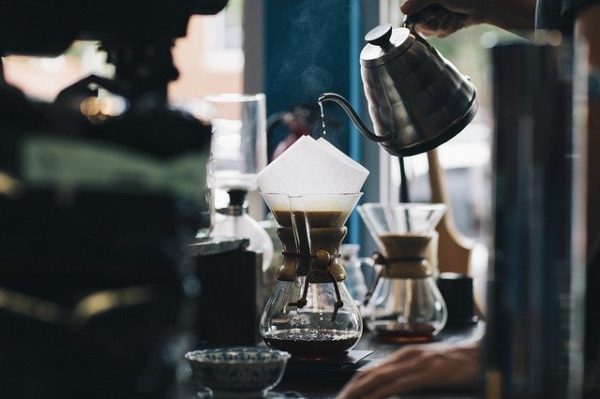
Avoid the counter top alongside a bright window. Straight light increases temperature level and damaged aromatics. That glass container looks stylish for a week, after that you start questioning why your Ethiopian natural preferences like the other day's toast.
The fridge freezer dispute, settled with nuance
This is the component where espresso forums have hidden friendships. Can you freeze coffee? Yes. Should you? That depends upon your timeline and your habits.
Freezing entire beans is a powerful means to stop staling if you will not complete them within 2 to 3 weeks. The trick is to freeze in small, airtight sections so you only thaw what you'll use in a couple of days. Think 30 to 60 grams per parcel for a manual brewer, 100 to 150 grams if you make a pot. Double-bag or use vacuum-sealed bags to prevent freezer melt and moisture creep. I maintain a tiny roll of 4-by-6 inch vacuum cleaner bags and section a new 2-pound shipment right into 2 weeks of kitchen coffee and the rest into the freezer. It takes 10 mins and saves a loads disappointing mugs.
Here's the subtlety: never ever freeze beans you'll open repetitively. Every single time you pull a large container in and out of the fridge freezer, warm damp air condenses on the cold beans. Moisture sneaks in, and the surface goes from crisp to clammy. That's just how you obtain level taste and irregular grind. If you dedicate to cold, dedicate to little, single-use parcels.
Thawing is straightforward. Bring the secured bag to space temperature before opening it, generally 30 to 60 minutes. That protects against moisture from condensing on the beans. If you're restless and utilize the beans a little amazing, the majority of grinders won't mind, and you might even see a cleaner fragment distribution for coffee. Just avoid opening up cold packaging in a damp kitchen.
Containers that actually work
You can spend a lot of money on storage that does nothing. You can also invest modestly and obtain near-lab-level performance. What issues is the oxygen barrier, the seal quality, and how you utilize it.
Opaque containers with tight silicone gaskets are solid for short-term storage. The expensive choices with a vacuum pump or a cover that pushes air out as it shuts help expand quality, particularly once the bag strikes the two-week mark. Glass looks nice, however unless it has a UV-blocking color and stays in a cupboard, it's a liability.
Mason jars can work if you load them close to the border, include a food-safe oxygen absorber package, and maintain them at night. Simply keep in mind the gasket is not immortal. After a year approximately of usage, examination the seal by closing it on a notepad. If you can pull the paper out quickly, replace the ring.
What about leaving beans in the initial bag? If it has a correct one-way shutoff, a metallized liner, and a zip that really seals, it suffices for the very first number of weeks. Roll the top down to push excess air out prior to zipping. If you wish to obtain fussy in the best means, slide the sealed bag right into a snug additional container to protect it from light and temperature level swings. That's not overkill. That's respect for your palate.
Grind timing: the most significant lever you control
If you read this, you probably understand that whole beans maintain far longer than ground coffee. However it births duplicating since it is the single simplest win. Grind what you need right prior to you brew. Half an hour after grinding, you've currently surrendered a noticeable piece of unpredictable aromatics. 2 hours later on, you have actually lost the high notes entirely.
If you should pre-grind for comfort, portion percentages and keep them in airtight, nontransparent containers, then use them within a day or 2. Don't pre-grind a week's worth and anticipate anything resembling a nuanced cup. I did the experiment for a client training: exact same beans, same mixture technique, fresh grind versus coffee ground 2 days prior and stored well. The fresh cup had a clear berry note and a tidy coating. The 48-hour mug tasted like a shrug.
Calibrating shipment to your drinking habits
The whole assurance of Coffee Beans Delivery is that you can consume far better coffee without preparing your life around restocking. The trap is ordering way too much. Find out your pace. If you consume alcohol two 12-ounce mugs every morning, that's roughly 40 to 50 grams of coffee daily, depending on toughness and technique. Call it 350 grams a week. If you get coffee beans delivered every 2 weeks, a 12-ounce bag is reducing it close, and a 1-pound bag gives breathing space. If you obtain a 2-pound bag for a bachelor, you've simply made your freezer part of the process, which is great if you part and label.
Some Gourmet Coffee Beans Delivery solutions will certainly let you split deliveries right into numerous small bags. Take them up on it. 2 smaller sized covered bags age extra beautifully than one big bag you open up repetitively. You would not uncork a magnum of a glass of wine for two glasses every night and expect it to remain fresh. Coffee acts similarly with oxygen, minus the cork routine and the social forgiveness.
Humidity, elevation, and various other ecological quirks
If you live somewhere damp, you're battling dampness creep that can soften beans and tinker work consistency. Keep containers off the refrigerator and dishwasher, which air vent moisture right into the cooking area air. Take into consideration a desiccant package in your storage space canister if humidity routinely sits above 60 percent inside. Make sure it's food risk-free and sized suitably. You do not want to desiccate the beans, simply stay clear of dampness.
High altitude settings tend to be dry, which sounds like a blessing however speeds up staling with dissipation. A closed container comes to be non-negotiable. At 6,000 feet, I see a recognizable drop in cup high quality by day 10 if beans reside in a loosened bag. Secured, they maintain their grace into week three.
If you roast in the house and your next-door neighbors can scent it, you already understand your beans off-gas strongly for the very first 12 to 48 hours. Do not lock that CO2 in with a vacuum cleaner cylinder immediately. Let them rest in a vented bag, then transfer to your recommended storage once they've cooled down. Otherwise, you get inflamed lids and candid flavors that have not had an opportunity to bloom.
When your coffee tastes off, and storage space is the reason
The most common storage-related tastes are flatness, rancid or cardboard notes, and a basic dulling where every beginning tastes like "coffee" and nothing even more. If your Kenyan begins tasting like your Guatemalan and they both taste like a diner refill after a week, oxygen is getting in somehow.
Another warning is variance at the mill. Beans that have absorbed wetness glob and grind unevenly. If your espresso shot times unexpectedly turn 5 seconds either instructions with the same dosage and grind setting, examine your storage before criticizing the machine.
An extra refined indication is a reduced flower when you pour for a pour-over. Fresh beans release carbon dioxide and dome nicely in the first pour. Stale beans simply rest there, a peaceful puddle. An absence of bloom does not always indicate stale beans, however combined with soft aroma and a short surface, it's a solid clue.
The home barista's two-week plan
Let's say you've got Coffee Beans Delivered every various other Thursday. Below's a practical routine that maintains your mugs vocal singing without turning your kitchen area into a lab.
- When the distribution shows up, examine the roast date and choose what to consume alcohol first. If two bags are within a couple of days of each various other, open the one that's closer to day 5 to 10 for a lot of developing methods. Keep the other secured in a trendy cabinet. Decant the open bag right into a nontransparent, airtight container sized so it's at the very least three quarters complete. Much less headspace means less oxygen. Label the canister with an item of masking tape: bean name, roast day, open date. If you got greater than you'll make in 2 weeks, section the surplus right into little vacuum-sealed or double-bagged freezer bags. Tag with date and weight. Freeze immediately. Each developing day, grind only what you need. If you freeze, pull one pouch the evening before and let it warm secured on the counter. Utilize it within 3 days for filter, two days for espresso. Store your container in a dark cupboard away from warmth sources. Do not place beans in addition to the coffee maker. That warmer tray is for mugs, not beans.
That's five basic relocations, none fussy, all effective.
Espresso vs. filter: somewhat different storage tolerance
Espresso is less flexible old. As beans stale, CO2 dissipates, and the shot sheds crema and structure. You can compensate for a little age by tightening up the work, but the taste gets papery and hollow if the beans are past their prime. For espresso, I aim to use a bag within 10 to 18 days of roast, offer or take, and I freeze the rest in 100-gram parcels. For pour-over and batch mixture, the home window feels wider. I can enjoy a filter roast out to one month if it's been saved well, although the leading notes fade.
Dark roasts oxidize faster due to the fact that the structure is more fractured and surface area oils are subjected. Treat them like berries, not apples. Light roasts hold their shape much longer, but their delicate aromatics vaporize quicker outdoors. In either case, good storage space acquires you time and preserves clarity.
What not to do, discovered the difficult way
Do not spoon beans out of a container over a balmy pot. The rising dampness condenses on the beans, and you end up with sticky premises that channel throughout coffee and glob in pour-overs. Do not leave an inside story inside the cylinder if you're touching it with damp hands. That damp handle is a wetness elevator.
Avoid transparent counter top cylinders unless your cooking area is dark. If you can't resist the look, put the container in a closet after each usage. I when dealt with a café that had screen containers of beans on the counter near a window. They revolved supply daily, however the mid-afternoon cups were constantly flatter. Moving the containers three feet into the shade repaired it.
Resist the urge to fill up a canister without cleaning it. Old oils hold on to the interior and turn rancid in time. Every couple of weeks, clean the container with mild soap, rinse extensively, and let it air dry totally before re-filling. A trace of dampness in a secured container is precisely as bad as it sounds.
Matching storage space to delivery options
If your registration allows it, select layouts that suit your storage plan.
- Multiple tiny bags beat one large bag if you will not complete quick. Much less repetitive oxygen exposure. Whole bean always beats pre-ground unless grinding is really difficult. If you should obtain pre-ground, demand product packaging with a high barrier movie and use it within a week. Choose distribution regularity that matches your rhythm. Weekly for hefty espresso enthusiasts, biweekly for many households, month-to-month for light enthusiasts who section and freeze.
Some solutions that pitch Gourmet Coffee Beans Delivery will revolve origins seasonally. That's excellent for flavor, yet it likewise means density and roast degree adjustment. Denser, lighter roasts typically take advantage of a slightly longer remainder prior to brewing. Variable that right into your schedule so you're not opening a bag on day one and asking yourself why the shot sprays like a sprinkler.
Temperature swings are the silent killer
Stability issues as high as the outright number. Beans sitting at a stable 68 levels will mature a lot more beautifully than beans bouncing in between 60 and 80 two times a day. That's why the closet over the dishwasher is a trap. Every cycle vents warm, moist air right into your storage area. If you do not think me, position a low-cost digital thermometer with a humidity readout in that cupboard for a week. The spikes inform the story.
Garage storage space is also worse unless your climate is kind. Heat waves, cold wave, and sunlight conspire to squash your coffee. Maintain the beans inside your home. If your within air is unpleasant in summer, freeze the section you won't make within two weeks and job from the fridge freezer parcels.
Decaf deserves respect
Decaf typically obtains the brief end of the storage space stick, which is unfair. Most contemporary decaf makes use of sugarcane ethyl acetate or Swiss Water Process, both of which protect taste far better than older techniques. Decaf stales a little bit faster than normal coffee, likely because of architectural changes throughout processing. Treat it like a dark roast in terms of timing. Smaller sized bags, tighter seals, even more attentive portioning. Your late-night coffee will thank you.
When to let go of a bag
There's a sort of sunk cost misconception with coffee. People maintain developing from a stagnant bag because it was pricey. If you have actually attempted adjusting work and recipe and the cup tastes boring, it's not an ethical failure to go on. Repurpose the beans for cool mixture, which is a lot more forgiving, or use them for testing mill alignment or dialing in a brand-new machine. Don't force your morning cup to bring the weight of thrift.
A couple of words regarding equipment past containers
A scale with a timer and a grinder with sharp burrs do even more for flavor than any type of storage space container on earth. That said, storage space equipment pays off rapidly as soon as your home coffee routine gets serious. If you want one financial investment that changes everything about Coffee Beans Delivery for your home bar, acquire a pack of tiny vacuum bags and a portable sealant. Suddenly, you can get the limited launch without worry, section it, and consume it at its ideal over weeks, not days.
If vacuum sealing isn't your point, get a well-reviewed closed cylinder sized to your normal bag. Do not go also large. Big headspace welcomes oxygen. A tight fit is your friend.
Bringing everything together
Getting coffee beans delivered saves time and opens access to roasters you 'd never locate down the road. Storage is the bridge between that guarantee and the mug in your hand. Maintain oxygen out. Guard from light. Avoid warm and temperature swings. Freeze only in thoughtful, single-use portions. Grind fresh. Straighten your delivery routine to how you in fact drink coffee.
None of this calls for a laboratory coat. It coincides logic you would certainly make use of completely bread or generate, adapted to a handful of great smelling seeds that simply occur to carry half your morning state of mind. Set up an easy routine, stay with it, and your kitchen area will start creating the sort of mugs that make you skip the café without seeming like you have actually compromised a thing.
And if you're still experimenting, that's half the delight. Attempt a biweekly schedule with 2 tiny bags from a Gourmet Coffee Beans Delivery service and a few fridge freezer parcels. Track exactly how your mugs taste on day 5, day 10, day 20. You'll create a feeling for your setting and your choices. As soon as that clicks, every time you get coffee beans delivered will feel like a small vacation, and every cup will certainly taste the method your kitchen smells at 7 a.m., rich and promising.